
 By Admin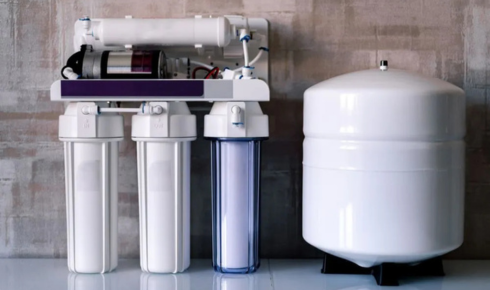
Let’s be honest — most of us don’t give our tap water a second thought. We turn the handle, water flows out, and we carry on. But if you’ve ever noticed a strange taste, stubborn spots on your dishes, or felt like your skin’s tighter after every shower, it’s time to zoom in on what’s really flowing through those pipes. Water might look clean, but that doesn’t always mean it is.
Choosing the right water treatment solutions isn’t just a home improvement task—it’s a decision that affects your health, comfort, and even your wallet. And let’s face it: it can get confusing fast. Between carbon filters, UV purifiers, and tankless whatchamacallits, it’s easy to feel overwhelmed.
So let’s walk through it like real humans—not technicians or salespeople—just practical folks trying to understand what’s best for our homes.
When Tap Water Isn’t Cutting It Anymore
It starts small, right? Maybe the coffee tastes a little off. Your favorite white shirt isn’t staying as bright. Or your once-soft hair feels like straw. These aren’t signs you’re imagining—your water could be the culprit.
Depending on where you live, your water might be filled with minerals, chlorine, bacteria, or worse. Municipal treatment doesn’t always catch everything. And well water? That’s a whole different story. The truth is, a surprising number of homes across the U.S. deal with water that’s technically “safe,” but far from ideal.
This is where having tailored water treatment solutions comes in. It’s not about one magical system that fixes all. It’s about understanding your specific water woes and building a setup that solves those.
What’s the Deal with Water Softeners?
Alright, let’s talk hard water. It’s not dangerous, but boy is it annoying. Soap doesn’t lather right, your shower glass gets cloudy, and your appliances wear out faster. That’s hard water in action—caused by excess calcium and magnesium.
Water softeners come in to save the day. They don’t purify water in the traditional sense—they just remove those hardness minerals. And it’s a game-changer. Laundry feels softer, soap works better, and even your skin breathes a sigh of relief. It’s one of those upgrades you don’t fully appreciate until you’ve lived with it for a few weeks.
But here’s the catch—softeners don’t handle everything. They won’t filter out chemicals or bacteria. That’s why they’re often used with other systems, not instead of them.
Getting Crystal-Clear: Reverse Osmosis Systems
Let’s say you’re serious about drinking clean water. Like, really clean. That’s where reverse osmosis systems step in. These bad boys force water through a semipermeable membrane, kicking out contaminants like lead, arsenic, nitrates, and a long list of things you probably can’t pronounce.
RO systems are usually installed under the kitchen sink for drinking and cooking. They’re not overkill—they’re peace of mind. The water tastes amazing. Tea and coffee? Way better. And if you’ve got kids or pets, there’s comfort in knowing exactly what’s (not) in their cup.
They can waste a bit of water and need filter changes, sure. But the trade-off? Worth it. Especially if your local water report looks like a chemistry experiment gone wrong.
It’s Not Always One-Size-Fits-All
Here’s the deal no one tells you: your neighbor’s water setup might not work for you. Their home might run on city water, yours on a well. Their region might deal with chlorine, yours with sulfur. Or maybe you’ve got specific allergies or health concerns. That’s why testing your water first is step one—before buying anything.
Once you know what you’re dealing with, you can pick the right combo. Maybe it’s a softener plus an RO system. Maybe it’s a UV light to kill bacteria. Or maybe a whole-house filter is all you need.
And yeah, it’s an investment. But so are clean clothes, better health, and longer-lasting appliances.
Don’t Be Fooled by the Fancy Buzzwords
Some companies love tossing around phrases like “nano-filtration” or “smart purification matrix.” Sounds cool, but what do they actually do? Strip away the jargon and focus on results. What contaminants are being removed? How long do filters last? Is it certified by a legit organization like NSF?
Remember, even the most high-tech system won’t help if it’s not solving your water problem.
Living with Treated Water: What Changes?
It’s kind of amazing how quickly you get used to better water. Your morning coffee doesn’t have that metallic tang. Your shampoo actually lathers. Your dishes come out cleaner. You stop buying bottled water because you trust your own tap.
But the best part? You start noticing water in a new way. And that awareness—knowing what you’re consuming, bathing in, and cooking with—is powerful.
Final Thoughts: Small Change, Big Impact
At the end of the day, choosing a water treatment system isn’t about perfection. It’s about progress. You don’t have to overhaul your plumbing overnight or buy the most expensive setup on the market.