
 By Admin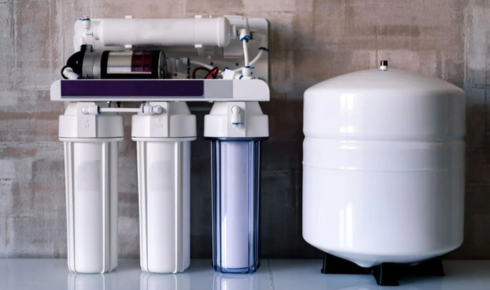
Let’s get real — water isn’t just water anymore. What comes out of your tap might look clear, might even taste okay, but dig a little deeper, and you’ll find a cocktail of minerals, chemicals, and sometimes things you’d rather not know about. And whether you live in the city or out in the country, chances are you’ve already wondered if your home’s water is truly safe — or just getting by.
We’re lucky to have easy access to running water. But if that water leaves your skin dry, your coffee tasting weird, or your appliances wearing out too fast, it’s probably time for a second look.
This is your no-fluff, human-first guide to water treatment — what it means, what it fixes, and how to make smart, not overwhelming, decisions about it.
What’s Actually in Your Water?
Municipal tap water in the U.S. is regulated, sure, but “safe to drink” doesn’t always mean “good for you.” Depending on where you live, your water might have:
- High levels of chlorine or chloramine
- Sediment, rust, or sand from old pipes
- Lead (especially in homes built before 1986)
- Nitrates, fluoride, or industrial runoff
- Hard minerals like calcium and magnesium
And if you rely on a private well? Well… all bets are off. You’re the regulator. And without testing, there’s no way to know what’s flowing through your pipes.
Hard Water Woes and the Power of Softening
Let’s talk about something deceptively simple: hard water. It’s loaded with minerals, mostly calcium and magnesium, and while it’s not “bad” for your health, it’s rough on pretty much everything else.
Hard water leaves spots on dishes. It makes your hair feel weird. It dries your skin and clogs up your water heater over time. Soap doesn’t lather right. Towels feel scratchy.
This is where a water softener steps in — a quiet, tucked-away system that swaps out hard minerals for sodium or potassium ions, leaving your water smooth, soft, and way less annoying.
It doesn’t purify water, and it won’t filter out chemicals, but it will extend the life of your plumbing, improve laundry, and make your morning shower feel like you’re not bathing in mineral soup.
Filtering the Everyday Out
Now, if you’re more concerned about what you can’t see — like chlorine, pesticides, or trace pharmaceuticals — you’ll want to dive into water filtration.
Filtration systems come in all sizes: from pitcher-style filters and under-sink units to whole-house systems that treat every drop that enters your home. Some use carbon to remove chemicals and odors, while others rely on sediment filters to catch physical particles.
The trick is knowing what you’re trying to remove. Chlorine? Easy. Heavy metals? A bit more effort. Bacteria? You’ll need something stronger.
Filtration doesn’t soften water — it cleans it. And depending on the setup, it might even improve the taste dramatically. That weird metallic or pool-water flavor? Gone.
Getting Serious with Reverse Osmosis
If you’ve ever sipped water that tasted pure — almost too clean — it was probably treated with reverse osmosis. This method pushes water through a semi-permeable membrane, trapping just about everything except H₂O molecules.
We’re talking arsenic, lead, nitrates, fluoride, VOCs, bacteria — out. It’s one of the most effective purification methods out there.
RO systems are usually installed under the kitchen sink and paired with a storage tank and a dedicated faucet. They’re slow (by design) and waste some water during the process, but what you get? It’s borderline bottled-water quality straight from your tap.
Great for cooking, drinking, baby formula, and peace of mind. Not so great for watering plants, since it strips out everything — even the minerals plants kind of need.
Matching the System to the Problem
Here’s the thing: no single water system does it all. And despite what ads promise, there’s no one-size-fits-all solution.
If your water is safe but just hard, a softener is probably all you need.
If it smells weird, tastes off, or has known chemical issues, filtration is your friend.
And if you’re dealing with serious contamination or just want the cleanest drinking water possible, RO is worth the investment.
In fact, many homeowners mix and match. A softener for the whole house, plus a reverse osmosis unit in the kitchen. Or a carbon filter for taste, paired with UV light for killing bacteria. You get to choose what matters most to you.
Maintenance, Cost, and the Long View
Water systems aren’t set-it-and-forget-it. Filters need changing. Softeners need salt. RO membranes wear out over time.
That said, modern systems are more efficient and low-maintenance than ever. And if you’re tired of buying bottled water, replacing appliances every few years, or dealing with constant skin irritation, the upfront cost starts to look like a long-term win.
Don’t Let Confusion Stop You
Let’s be real — diving into water system research can feel like learning a new language. GPG, TDS, NSF-certified, micron ratings… it’s a lot.
So start with this:
- Test your water (DIY kits or a local lab)
- Identify the top 1–2 issues that bother you most
- Set a realistic budget
- Choose a system (or combo) that targets your needs
Ignore the hype. Listen to your water.
Final Thoughts: Clearer Water, Clearer Life
At the end of the day, water treatment isn’t just about plumbing or filters — it’s about comfort, health, and feeling good about what you’re putting into your body every single day.
Whether it’s adding a water softener to save your skin and your washing machine, installing water filtration to ditch the chlorine taste, or going all-in on reverse osmosis for pristine drinking water, the move toward better water is always worth it.