
 By Admin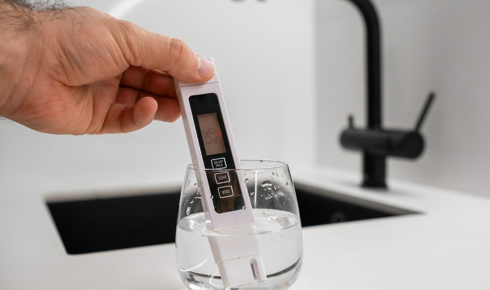
Most of us don’t think about water until it gives us a reason to.
You turn on the tap every day without hesitation. You cook with it. You shower in it. You pour it into your coffee maker without a second thought. It’s steady. Predictable. Invisible.
And then, one morning, it’s not.
Maybe the water looks slightly tinted. Maybe it smells off. Maybe your sink has developed a rusty ring that refuses to scrub away. These moments feel small, but they plant a seed of doubt. What’s going on with my water?
The good news? Most water issues are more common than alarming. And with the right approach, they’re manageable.
The Subtle Signs You Shouldn’t Ignore
Water problems rarely arrive dramatically. They whisper before they shout.
A faint metallic taste. A discoloration that clears after a few seconds. Soap that won’t lather the way it used to. Each of these clues points toward something happening behind the scenes.
Start by observing patterns. Does the issue affect only hot water? Only one faucet? Does it happen after heavy rainfall or seasonal changes?
These details matter. They help narrow down potential causes before you invest in treatment systems that might not address the real problem.
When Iron Leaves Its Mark
One of the most common complaints homeowners face—especially those on well water—is staining.
You might notice reddish-brown streaks in your sink, tub, or toilet bowl. White laundry may slowly take on a yellowish tint. Fixtures look perpetually dirty, even after cleaning.
This is often caused by dissolved iron in the water. When exposed to air, iron oxidizes and forms visible rust-like particles. Over time, iron & rust buildup can affect not only appearance but plumbing performance as well.
Iron isn’t usually harmful in small amounts, but it’s undeniably frustrating. Fortunately, targeted filtration systems—such as oxidation filters or specialized iron removal units—can address the problem effectively.
But before installing anything, test your water. Iron concentration levels determine which solution is most appropriate.
The Unmistakable Smell of Sulfur
Then there’s the odor. If you’ve ever turned on the tap and caught a whiff of something resembling rotten eggs, you’re not alone.
Smelly sulfur water is typically caused by hydrogen sulfide gas. It can occur naturally in groundwater or develop in plumbing systems where certain bacteria interact with sulfur compounds.
The smell can be unpleasant, especially during hot showers. It may also intensify when water sits unused in pipes.
Treatment depends on the source. Aeration systems, oxidizing filters, or even simple adjustments to your water heater may resolve the issue. Again, testing is essential before selecting a solution.
It’s worth noting that while sulfur odor is often harmless at low levels, it’s disruptive enough to warrant attention.
Cloudiness, Sediment, and Other Surprises
Not all water problems involve smell or staining. Sometimes the water simply looks cloudy. In many cases, that’s just trapped air that clears within seconds. But persistent turbidity may signal sediment or mineral particles.
Sediment filtration systems can capture sand, silt, and debris before they travel through your plumbing. This protects appliances and improves clarity.
Older homes may also experience discoloration from aging pipes. Rust within plumbing infrastructure can tint water temporarily after periods of inactivity.
Understanding the age and condition of your home’s plumbing can help differentiate between water source issues and internal piping concerns.
Don’t Skip Testing
If there’s one piece of advice worth repeating, it’s this: test before you treat.
Home testing kits offer basic insights into hardness, iron, pH levels, and chlorine presence. Professional laboratory analysis provides more detailed contaminant profiling.
Testing prevents overcorrection. A softener won’t remove sulfur odor. A carbon filter won’t eliminate high iron levels. Installing the wrong system wastes time and money.
Accurate data leads to targeted solutions.
Simple Steps You Can Take Now
While waiting for test results or professional consultation, there are a few practical actions you can try:
- Flush your water heater to remove accumulated sediment.
- Clean faucet aerators to eliminate trapped debris.
- Run cold water for several minutes if water has been sitting in pipes.
- Inspect visible plumbing for corrosion or leaks.
These steps won’t solve systemic problems, but they may reduce temporary symptoms.
When to Call a Professional
If stains worsen, odors intensify, or water pressure drops noticeably, it’s time to consult a water treatment specialist.
Experienced professionals can interpret test results and recommend systems tailored to your specific conditions. Whether it’s iron removal, sulfur filtration, softening, or sediment capture, the right solution depends on accurate diagnosis.
And remember—water treatment isn’t about chasing perfection. It’s about restoring confidence.
Final Thoughts
Water is foundational. It supports every daily routine, from brushing your teeth to washing your dishes. When it starts behaving differently, it’s natural to feel concerned.
But most water problems are solvable.
By paying attention to subtle signs, conducting proper testing, and choosing targeted treatment methods, you can bring clarity back to your tap.
Because at the end of the day, clean water shouldn’t be something you worry about.
It should be something you trust.