
 By Admin
Water is one of those things we rarely think about until something goes wrong. A cloudy glass of drinking water, stubborn marks around the bathroom faucet, or a shower that suddenly feels weaker than usual can turn an ordinary day into a frustrating one. These problems may seem minor at first, but they can affect household comfort, plumbing performance, and the lifespan of water-using appliances.
The good news is that most household water concerns can be managed once their underlying causes are understood. Rather than relying on guesswork or buying the first treatment product you find, it helps to look at the signs, test the water when necessary, and choose a solution that fits your home’s needs.
Recognizing the Effects of Hard Water
One of the most common household water issues is mineral buildup. Water naturally picks up dissolved minerals as it moves through soil and rock. When calcium and magnesium are present in higher concentrations, the water is generally described as hard water.
You might notice white deposits on showerheads, cloudy spots on glassware, or a chalky film around faucets. Soap may also produce less lather, leaving skin feeling dry and hair difficult to manage. Over time, mineral deposits can accumulate inside pipes, water heaters, and other appliances, potentially reducing efficiency and increasing maintenance needs.
Not every home experiences these effects to the same degree. The mineral content depends on the local water source, and even neighboring properties can have different plumbing conditions. A water hardness test is a sensible first step because it reveals whether minerals are actually responsible for the problem.
If testing confirms elevated hardness, a water softener may be worth considering. These systems commonly use ion exchange to reduce calcium and magnesium. The right capacity depends on household size, daily water use, and the hardness level. Some homes may benefit from treating the entire supply, while others may prefer a more targeted approach.
Regular maintenance matters, too. A softener needs appropriate settings, periodic checks, and, in many systems, salt replenishment. Installing equipment without understanding the water chemistry can lead to disappointing results, so professional advice can be useful when the situation is complicated.
Why Orange and Brown Marks Appear
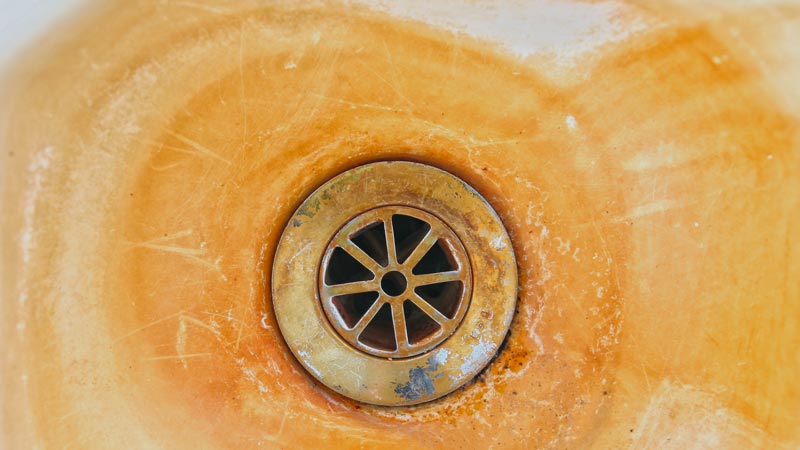
Have you ever cleaned a sink until it looked spotless, only to find orange marks returning a few days later? The culprit may be iron in the water. Iron can enter a supply through natural groundwater conditions, aging plumbing, or corrosion in certain pipes and fittings.
Iron staining often appears as reddish-orange or brown discoloration in sinks, toilets, bathtubs, laundry, and sometimes on light-colored fixtures. In some cases, the water may look clear when it first comes from the tap but develop a rusty appearance after standing. Other households notice a metallic taste or unpleasant odor, although these symptoms can have several possible causes.
Cleaning products may remove visible marks temporarily, but they won’t necessarily address the source. Before choosing a treatment system, it’s important to determine whether the iron is dissolved, present as particles, or associated with other water-quality problems. Different forms of iron require different treatment methods.
Depending on the test results, options may include sediment filtration, oxidation followed by filtration, or a specialized iron-removal system. A standard sediment filter can capture suspended particles, but it may not remove dissolved iron effectively. That’s why a little testing beforehand can save both money and frustration.
It is also wise to investigate sudden changes in water color. If rusty water appears unexpectedly, particularly after plumbing work or a supply interruption, contact your water provider or a qualified plumber. The issue may be temporary, but it’s better to identify the cause than assume a permanent treatment system is needed.
Investigating Weak Water Flow
A shower that barely rinses shampoo or a kitchen faucet that takes ages to fill a pot can be more than an inconvenience. Low pressure may result from several issues, and the correct fix depends on where and when the problem occurs.
Start with a few simple observations. Is the flow weak at every faucet, or just one? Does it happen only when multiple taps are running? Is the problem limited to hot water? These details help narrow down the possibilities.
A clogged aerator, blocked showerhead, partially closed shutoff valve, or damaged fixture can restrict flow at a single outlet. If the problem affects the entire house, the cause could involve a pressure regulator, a leak, corroded pipes, a pump issue, or a problem with the municipal supply. Homes that depend on private wells may also experience flow changes linked to pump performance or pressure-tank settings.
Cleaning a faucet aerator is often a straightforward task, provided it can be removed safely. However, persistent problems deserve closer attention. Avoid adjusting pressure controls without understanding the plumbing system, since excessive pressure can damage fixtures, connections, and appliances.
If the pressure drops suddenly, listen for unusual running-water sounds and check for visible signs of leaks. A significant unexplained change may warrant prompt professional inspection, especially if damp patches, water stains, or unusually high water bills appear alongside it.
Testing Before Choosing a Treatment System
It’s tempting to purchase equipment based on a symptom alone. White residue suggests a softener, orange stains suggest an iron filter, and weak flow suggests a booster pump. Sometimes those assumptions are correct, but not always.
A proper water test gives you a clearer picture. Depending on the source and the concerns involved, testing may examine hardness, iron, manganese, pH, dissolved solids, and other relevant indicators. For private wells, testing for microbial contamination is especially important, and the appropriate testing schedule should follow local public-health guidance.
Municipal water customers can usually review their supplier’s water-quality report, but household plumbing can still influence what comes out of an individual tap. If water tastes, smells, or looks unusual, a test at the point of use may provide additional information.
Choose a reputable laboratory or qualified water-treatment professional, and ask what the results mean before committing to equipment. A good recommendation should explain the problem being addressed, the system’s limitations, its ongoing costs, and the maintenance it will require.
Keeping Your Plumbing and Appliances in Good Shape
Even a well-designed water treatment system needs care. Filters must be replaced according to their specifications, softeners need routine checks, and pumps and pressure tanks should be inspected when performance changes. Ignoring maintenance can reduce effectiveness and sometimes create new problems.
It’s also worth paying attention to your water heater. Mineral accumulation can affect heating performance, while sediment may contribute to noise or maintenance issues. Follow the manufacturer’s guidance for inspection and servicing rather than attempting unfamiliar repairs yourself.
Simple habits help, too. Wipe fixtures dry to reduce visible mineral marks, clean removable aerators periodically, and investigate leaks instead of letting them linger. Keep records of filter changes and service visits so you know when maintenance is due.
A More Comfortable Home Starts With Better Information
Water problems can be irritating, especially when they keep returning after repeated cleaning or repairs. Still, the most effective solution usually begins with observation rather than guesswork. Identify where the problem occurs, check for changes, and use testing to confirm what is happening.
Whether you’re dealing with mineral deposits, rusty marks, or an inconsistent shower, the right response should match the actual cause. A suitable treatment system, a plumbing repair, or simply routine maintenance may be all that’s needed.
Clear, dependable water isn’t just about appearance. It’s about protecting your home, making everyday tasks easier, and knowing that the equipment you invest in is doing a useful job. With a little patience and the right information, many common water concerns become far easier to manage.