
 By Admin
Think about how often you turn on a faucet throughout the day. Whether you’re preparing breakfast, taking a shower, washing clothes, or filling a glass with drinking water, you depend on water for countless everyday activities.
Yet water quality is something many people overlook until noticeable problems develop. Stubborn mineral deposits, unpleasant tastes, cloudy glassware, and reduced appliance performance can all become sources of frustration.
Fortunately, modern water treatment technologies offer several practical ways to address these concerns. From reducing hardness to improving drinking water quality, the right equipment can make a meaningful difference in residential and commercial environments.
The important thing is understanding what each treatment method accomplishes and choosing a solution that addresses your property’s specific water quality requirements.
Say Goodbye to Stubborn Hard Water Problems
Hard water contains elevated concentrations of dissolved minerals, particularly calcium and magnesium. Although hardness isn’t generally considered a health hazard, it can create several inconvenient problems around your property.
Installing suitable water softening systems can help reduce these minerals, minimize scale accumulation, and improve the effectiveness of soaps and detergents.
Imagine spending considerable time cleaning bathroom fixtures only to discover white mineral deposits appearing again a few days later. Hard water could be responsible for this recurring frustration.
Traditional ion-exchange softeners work by exchanging hardness minerals for sodium or potassium ions. This treatment helps reduce the conditions responsible for scale formation.
Homeowners may notice that soap lathers more easily, freshly washed dishes have fewer mineral spots, and bathroom surfaces become easier to maintain.
Water softening can also help protect appliances such as dishwashers, washing machines, and water heaters from excessive scale accumulation.
For businesses that depend on water-using equipment, addressing hardness may help reduce certain maintenance requirements and unnecessary operational interruptions.
However, selecting appropriately sized equipment is essential. Water hardness levels, daily consumption, and peak usage requirements should influence your purchasing decision.
Addressing Unwanted Impurities Through Effective Filtration
Water can contain various substances that affect its appearance, taste, and smell. Depending on the water source and local conditions, treatment requirements can differ considerably between properties.
Professionally selected water filtration systems can help address specific water quality concerns by reducing unwanted particles or substances through suitable filtration technologies.
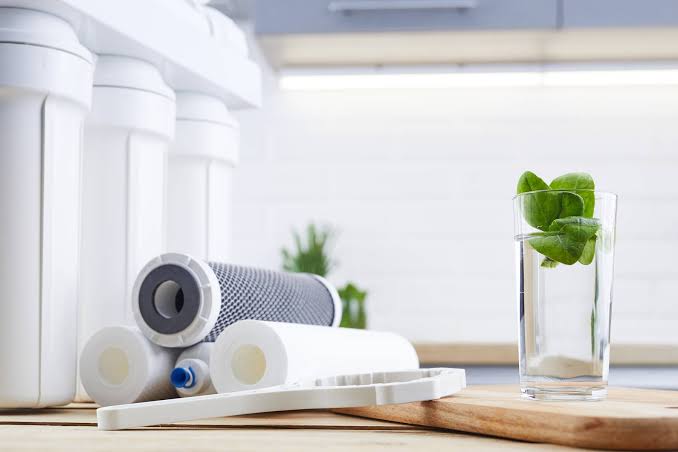
For instance, sediment filters can capture suspended particles such as sand and dirt. Activated carbon filters may help reduce chlorine, unpleasant odors, and certain organic compounds.
Some filtration equipment is designed to treat water throughout an entire property, while other systems focus on individual faucets or specific appliances.
Consider a household where tap water has an unpleasant chlorine taste. An appropriately certified carbon filtration system might help address that particular concern.
However, the same equipment may not effectively reduce dissolved minerals, microorganisms, or every potentially harmful contaminant.
That’s why understanding your existing water quality matters before purchasing equipment.
Water testing and reviewing available water quality reports can help identify which substances require attention.
Choosing filtration technology based on actual treatment requirements is considerably more effective than assuming every filter delivers identical results.
Enjoying Better-Tasting Drinking Water at Home
Many households purchase bottled water because they’re dissatisfied with the taste of their tap water. While bottled water may offer convenience, relying on it regularly can become expensive and generate considerable packaging waste.
Installing appropriate reverse osmosis drinking water systems offers an alternative for households interested in improving the quality of water used for drinking, cooking, and preparing beverages.
Reverse osmosis uses pressure to move water through a semipermeable membrane that reduces many dissolved substances.
These systems frequently incorporate additional filtration stages to address sediment and chlorine while supporting membrane performance.
A properly selected system can reduce certain dissolved salts, heavy metals, and other contaminants, depending on its design and independently certified capabilities.
Imagine preparing coffee or tea using treated water that doesn’t have the unpleasant taste you’ve become accustomed to. It could make your morning routine noticeably more enjoyable.
However, reverse osmosis equipment requires regular maintenance, including filter replacements and periodic membrane servicing.
Homeowners should also consider water recovery efficiency, installation space, and daily drinking water requirements when comparing equipment.
Why Combining Water Treatment Technologies Can Be Beneficial
Water quality concerns rarely fit into a single category. A property might experience excessive hardness while also having issues with unpleasant drinking water taste.
In such cases, combining complementary treatment technologies may provide more comprehensive results.
A whole-property softener can address hardness, while suitable filtration equipment can target specific impurities. A separate reverse osmosis unit can provide treated drinking water at the kitchen sink.
Potential advantages of an appropriately designed treatment arrangement include:
- Reduced mineral deposits around plumbing fixtures.
- Improved soap and detergent effectiveness.
- Better-tasting drinking water.
- Reduced scale accumulation inside appliances.
- Easier household cleaning routines.
- Less dependence on single-use bottled water.
Not every property requires multiple treatment systems. Professional water testing can help determine which combination, if any, is appropriate.
Choosing Water Treatment Equipment That Fits Your Property
Purchasing the most expensive equipment doesn’t necessarily guarantee better results. The right treatment arrangement should reflect your water quality, consumption patterns, available space, and household budget.
Consider equipment capacity, installation requirements, maintenance expenses, and independently verified contaminant reduction claims.
Business owners should also evaluate peak water demand and equipment-specific water requirements.
Requesting a professional assessment can help prevent unnecessary purchases and ensure that your treatment investment addresses genuine concerns.
Keeping Your Water Treatment Equipment Performing Reliably
Even high-quality treatment equipment requires consistent maintenance.
Traditional softeners may need regular salt replenishment, while filtration equipment requires cartridge replacements according to manufacturer recommendations.
Reverse osmosis membranes also require periodic attention.
Establishing a maintenance schedule and monitoring treatment performance can help preserve equipment effectiveness and reduce avoidable operating problems.
Make Quality Water an Everyday Priority
Improving water quality is an investment that can influence numerous aspects of daily living.
Whether you’re concerned about hard water deposits, unpleasant tastes, or protecting valuable appliances, understanding different treatment technologies makes choosing suitable equipment easier.
With appropriate water testing, professional installation, and consistent maintenance, homeowners and business owners can address their specific water quality concerns more effectively.
After all, better water isn’t simply another household upgrade. It’s a practical improvement that can bring greater convenience, efficiency, and satisfaction to everyday life.