
 By Admin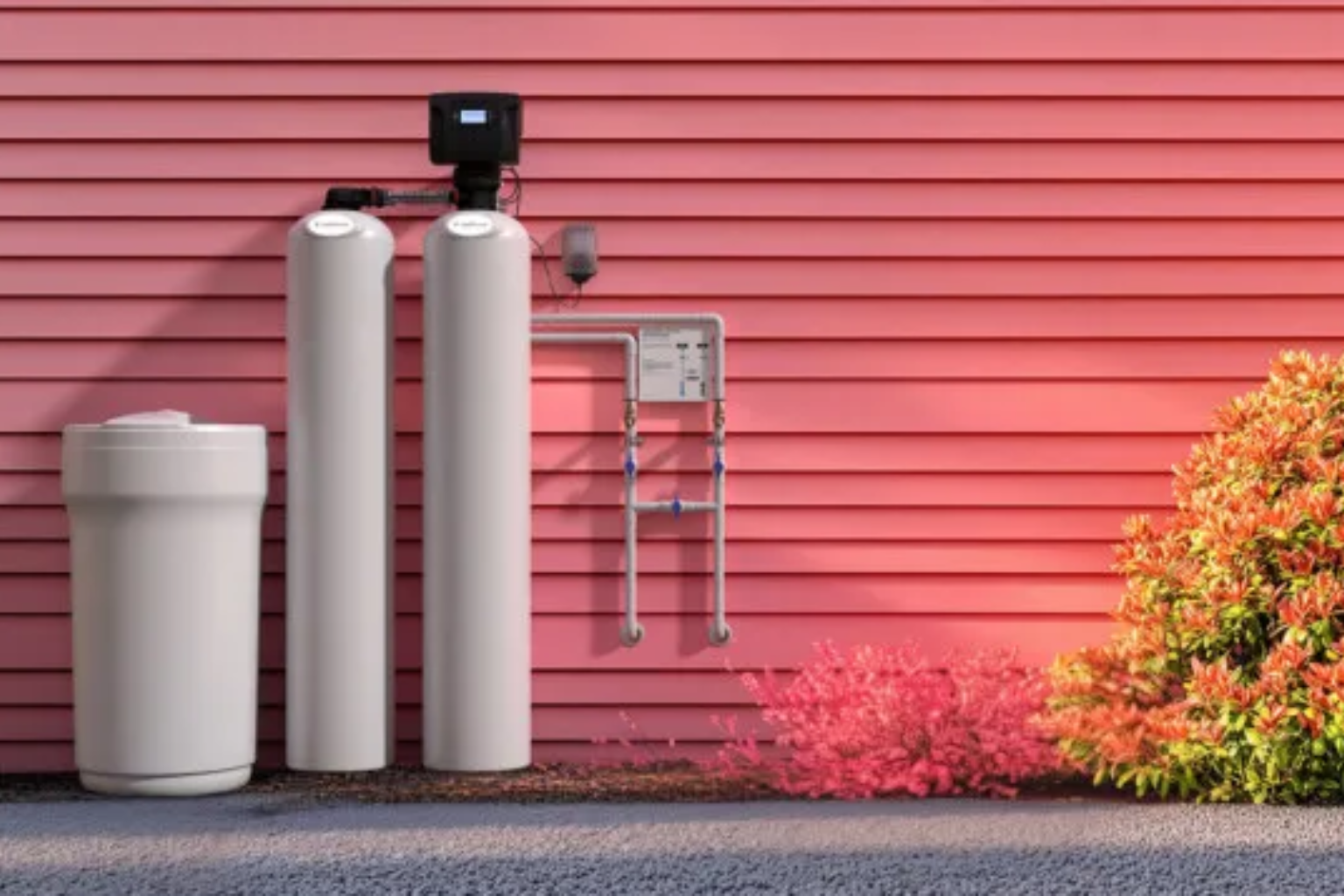
Most of us don’t grow up thinking about water chemistry. We turn on the tap, fill a glass, and move on with our day. It’s only when something feels slightly off — a chalky film on dishes, a metallic aftertaste, dry skin after a shower — that we start asking questions.
And once you begin looking into it, you realize there’s a whole world of options out there. Systems, stages, cartridges, membranes. It can feel overwhelming fast.
But here’s the thing: improving your water isn’t about chasing trends. It’s about understanding what your home actually needs.
When Hard Water Starts Running the Show
Hard water is one of the most common household issues, especially in areas with high mineral content in the groundwater. You might notice white scale on faucets or soap that refuses to lather properly. Over time, that mineral buildup can sneak into pipes and appliances too.
That’s where water softeners come in.
A softener works by exchanging calcium and magnesium ions with sodium or potassium, effectively reducing the hardness level in your water. The difference isn’t dramatic overnight, but it’s noticeable. Soap rinses cleaner. Towels feel less stiff. Shower glass stays clearer longer.
What people often appreciate most isn’t even visible — it’s the way appliances last longer. Water heaters, washing machines, dishwashers. When they’re not battling mineral deposits constantly, they simply operate more efficiently.
Softening isn’t about luxury. It’s about reducing friction in everyday life.
The Precision of Drinking Water Filtration
While softening addresses minerals, it doesn’t necessarily tackle dissolved contaminants or improve taste at a molecular level. For that, many homeowners turn to reverse osmosis systems.
RO filtration pushes water through a semi-permeable membrane, removing a wide range of dissolved solids — things like nitrates, certain metals, and residual chlorine. The result is remarkably clean drinking water, often clearer in taste than standard tap supply.
Some people install RO systems purely for peace of mind. Others do it because they’ve grown tired of buying bottled water. Either way, the appeal is similar: consistency.
It’s worth noting that reverse osmosis systems are typically installed at a single point of use — often under the kitchen sink. They’re designed specifically for drinking and cooking water, not whole-home supply.
And when properly maintained, they quietly do their job without much attention.
The Growing Interest in Alkalinity
In recent years, there’s been increasing curiosity about pH balance and its potential effects on taste and overall hydration. That’s where alkaline water filters enter the conversation.
These systems often follow a primary filtration stage, reintroducing beneficial minerals like calcium and magnesium to slightly raise the water’s pH. The idea is to create water that tastes smoother or feels “lighter.”
The science behind alkaline water can be debated, but many users report enjoying the flavor profile. And at the end of the day, if it encourages you to drink more water, that’s not a bad outcome.
As with any system, context matters. If your water is already well-balanced, a complex pH adjustment may not be necessary. But for those seeking a specific taste experience, alkaline filtration can be part of a customized setup.
Avoiding the One-Size-Fits-All Trap
Here’s where homeowners sometimes get tripped up: assuming they need everything.
Not every house requires softening, reverse osmosis, and alkalization simultaneously. In fact, installing unnecessary systems can complicate maintenance and increase costs without delivering meaningful benefits.
The smarter approach? Start with testing.
A basic water analysis reveals hardness levels, total dissolved solids, chlorine concentration, and pH. With those numbers in hand, decisions become grounded in data rather than guesswork.
Sometimes the solution is simple — a carbon filter for taste. Sometimes it’s more comprehensive. But it should always match your water profile.
Maintenance Is Part of the Equation
No matter which system you choose, upkeep matters.
Softeners require salt replenishment and occasional resin inspection. RO membranes need periodic replacement. Alkaline cartridges eventually exhaust their mineral content.
Ignoring maintenance doesn’t cause immediate catastrophe. It just reduces effectiveness over time. Filters clog. Membranes slow. Water quality gradually declines.
Treat your water system like any other appliance in your home. A little attention goes a long way.
Cost vs. Value
There’s always a financial component to consider. Water treatment systems aren’t free. But neither are bottled water purchases, appliance replacements, or energy losses due to scale buildup.
When evaluating cost, think long term.
Improved appliance longevity. Reduced plumbing repairs. Fewer cleaning products. Consistent drinking water without plastic waste.
Value often reveals itself gradually.
The Quiet Benefit
Perhaps the most overlooked advantage of optimizing your water is psychological.
When you trust your tap, you stop questioning it. You cook without hesitation. You fill reusable bottles confidently. You shower without worrying about residue or dryness.
It becomes background comfort.
And that’s what good home systems should provide — quiet reliability.
Final Thoughts
There’s no universal blueprint for perfect water. Some homes benefit most from softening. Others prioritize purified drinking water. Still others experiment with alkalinity for taste preferences.
The key is balance.
Understand your water. Choose solutions that address real concerns. Maintain them thoughtfully.
Because when your water is working with you instead of against you, life feels just a little smoother — and sometimes, that’s exactly what we’re after.