
 By Admin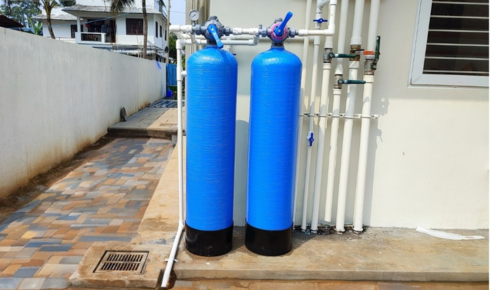
There’s something oddly comforting about turning on a tap and knowing—without thinking twice—that the water flowing out is clean, safe, and gentle on your home. Most of us don’t notice this luxury until something feels off. Maybe it’s a faint metallic taste in your tea, stubborn white spots on your glassware, or that dry, itchy feeling after a shower that just won’t go away.
Clean water isn’t just about hydration. It quietly touches almost every part of daily life—your cooking, your health, your plumbing, even your mood. And yet, people often underestimate how much difference the right water treatment can make until they actually experience it.
I remember visiting a friend who had recently installed a filtration system. She joked about how “water suddenly tastes like water again.” It sounded simple, almost silly—but when I tried it myself, I understood exactly what she meant. It was lighter, smoother. It just… felt better.
When Water Isn’t Quite Right
Many households deal with hidden water issues without realizing it. Hard minerals like calcium and magnesium can slowly build up inside pipes and appliances. Over time, that buildup can damage washing machines, reduce heater efficiency, and even dull the shine of freshly washed clothes.
And then there’s chlorine. While it plays an important role in municipal water safety, it can leave behind an unpleasant smell and sometimes irritate skin and hair. People often assume dry skin is just seasonal—but sometimes, it’s the water.
This is why more homeowners are turning to water treatment experts to assess what’s actually flowing through their taps. These professionals don’t just install equipment; they help diagnose problems that might otherwise go unnoticed for years.
Because honestly, most of us don’t think to question our water—until it starts causing trouble.
The Everyday Struggle With Hard Water
Hard water is one of the most common household complaints, especially in regions where groundwater contains high mineral content. If you’ve ever noticed soap refusing to lather properly, or dishes coming out of the dishwasher with a cloudy film, you’ve likely experienced it firsthand.
It’s not just annoying—it can be expensive over time. Hard water reduces appliance lifespan, increases energy usage, and makes cleaning products less effective.
That’s where soft water solutions come into play. By removing excess minerals, water softeners can transform the way water behaves in your home. Suddenly, soap foams easily, laundry feels softer, and shower glass stays clearer for longer.
People often describe the change as subtle but incredibly satisfying—like switching from rough sandpaper to smooth silk without even realizing how rough things used to be.
Clean Water, Everywhere in the Home
Some homeowners initially focus only on drinking water, installing small under-sink filters for cooking and consumption. While that’s a good start, many eventually realize that water quality matters beyond the kitchen.
Think about it—water touches your skin daily through showers, washing, and cleaning. It circulates through appliances, pipes, and heating systems. So if there’s an issue, it affects much more than just what you drink.
This is why many households now consider whole house water filtration systems. These setups treat water at the point it enters the home, ensuring consistent quality across every tap and appliance.
The result? Cleaner water for bathing, cooking, cleaning, and everything in between. It’s not just convenience—it’s peace of mind.
The Emotional Side of Water Quality
It might sound strange to talk about emotions when discussing water systems, but the reality is surprisingly human.
Clean water removes small, daily frustrations that quietly build up. No more scrubbing stubborn mineral stains. No worrying about strange odors. No guessing whether that dryness in your skin is just the weather.
Instead, life becomes simpler—more comfortable.
And honestly, that’s what most people want. Not fancy gadgets or complicated technology, but quiet reliability. Something that works in the background without demanding attention.
Choosing the Right Approach
Every home’s water situation is unique. Factors like source, local infrastructure, and mineral composition all play a role. That’s why a one-size-fits-all solution rarely works.
Professional testing often reveals surprising insights. Sometimes the issue isn’t hardness at all—it could be sediment, iron, or chlorine levels that are causing the problem.
The key is understanding before investing. Once you know what you’re dealing with, choosing the right system becomes much simpler—and far more effective.
A Small Change With a Big Impact
It’s funny how we often focus on visible upgrades—new furniture, fresh paint, modern appliances—while overlooking something as essential as water quality.
Yet improving water might be one of the most meaningful upgrades a homeowner can make. It enhances comfort, protects infrastructure, and quietly improves everyday routines.
You don’t notice it in dramatic ways. There’s no big “before and after” moment. Instead, it’s subtle—a softer towel, smoother hair, clearer glassware, a better-tasting cup of coffee.