
 By Admin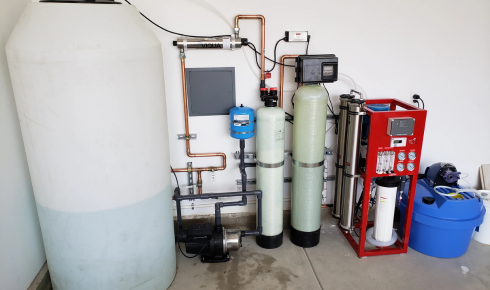
There’s a quiet moment most of us overlook—the second we turn on the tap. Water rushes out, clear enough to trust, familiar enough to ignore. But if you’ve ever noticed that faint metallic taste, the chalky residue on your kettle, or the way your skin feels oddly tight after a shower… well, that’s your water telling a story. And sometimes, it’s not a great one.
I didn’t think much about it either, not until a friend casually mentioned how switching systems changed everything—from her morning coffee to her laundry. It sounded exaggerated at first, but then again, we underestimate water more often than we should.
Let’s just say this: what flows through your home shapes more than you think.
The Subtle Problem Most Homes Ignore
Water isn’t always as “clean” as it looks. Even treated municipal water can carry minerals, chlorine, and trace contaminants that affect taste, smell, and overall quality. It’s not necessarily dangerous—but it’s not ideal either.
Hard water, for instance, is incredibly common. It leaves behind scale in pipes and appliances, reduces soap efficiency, and can quietly wear down your plumbing over time. You may not notice it immediately, but over months and years, the impact adds up.
That’s where solutions like water softeners come into the picture. They don’t magically purify everything, but they do tackle hardness—removing calcium and magnesium that cause buildup. The difference is surprisingly noticeable. Softer laundry. Cleaner dishes. Even your skin feels less dry, which sounds small until you experience it.
When One Fix Isn’t Enough
But here’s the thing—softening water doesn’t solve everything. It’s just one part of a bigger puzzle.
Some homeowners go a step further and invest in whole home filtration systems. These aren’t just about comfort—they’re about consistency. Instead of filtering water at a single point (like your kitchen tap), these systems treat water as it enters your home.
So whether you’re showering, brushing your teeth, or running the washing machine, the water is filtered at every touchpoint. Chlorine gets reduced. Sediments are filtered out. Even certain chemicals are minimized.
It’s a kind of “set it and forget it” approach. You don’t have to think about water quality every time you turn a faucet. And honestly, that peace of mind is underrated.
The Drinking Water Conversation
Of course, not all water needs are the same. There’s a difference between water for bathing and water you actually drink.
This is where reverse osmosis systems quietly shine. Unlike general filtration, RO systems go deeper—removing dissolved solids, heavy metals, and microscopic impurities that other systems might miss.
The result? Water that tastes… well, like nothing. And that’s kind of the point.
It’s clean, neutral, and consistent. For families who rely on bottled water, switching to an RO system often feels like a small revolution. Less plastic waste. Lower long-term cost. And a certain confidence in what you’re consuming every day.
It’s Not Just About Health—It’s About Living Better
We tend to frame water quality as a health issue, but it’s more than that. It’s about everyday experience.
Think about your morning routine. The coffee you brew. The way your hair feels after a wash. Even the lifespan of your appliances. Good water doesn’t just protect—it enhances.
And yet, many homes continue using systems that were never really optimized. Maybe they were fine years ago. Maybe no one questioned them. But times change, and so do expectations.
Upgrading your water system isn’t always about fixing something broken. Sometimes, it’s about realizing things could simply be better.
The Personal Factor—No One-Size-Fits-All
Here’s where it gets a bit nuanced.
Not every home needs the same solution. A household dealing with hard water might prioritize softening, while another focused on drinking quality might lean toward reverse osmosis. Some go all-in with a combination of systems, layering solutions for different needs.
And that’s okay.
Water isn’t universal. It varies by location, by source, even by season. What works perfectly in one area might not be necessary in another. The key is understanding your own water—and responding to it thoughtfully.
Small Changes, Quiet Impact
One thing people often mention after upgrading their water setup is how… unremarkable it feels. Not in a bad way, but in a “this should’ve always been like this” kind of way.
No more spotting on glassware. No strange aftertaste. Showers that feel just a bit more refreshing.
It’s not dramatic. It’s subtle. But over time, those small improvements shape your daily life in ways you didn’t expect.
Final Thoughts—Listening to What’s Already There
At the end of the day, water isn’t something we should take for granted. It’s part of nearly every moment in our homes, from the obvious to the barely noticeable.
And maybe that’s the point.
Instead of waiting for a problem to become obvious, it might be worth paying attention to the quieter signals. The taste. The texture. The way things feel just slightly off.
Because once you start noticing, you realize—your water has been speaking to you all along.
You just needed to listen.