
 By Admin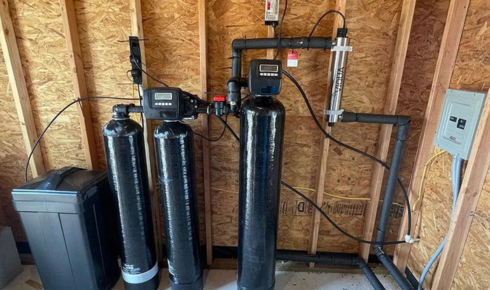
There’s a funny thing about water — we don’t really think about it until something feels off. Maybe it’s the faint chlorine smell when you fill a glass. Maybe it’s the stubborn white spots on your shower door that never seem to scrub away. Or maybe it’s your skin feeling dry and tight after what should’ve been a relaxing shower. Whatever the trigger, it usually starts small… and then it becomes impossible to ignore.
Water is woven into almost every part of daily life. We cook with it, clean with it, bathe in it, drink it without a second thought. So when it’s not quite right, the effects ripple outward. That’s where water treatment solutions begin to make real sense — not as a luxury add-on, but as a quiet upgrade to the way your home functions.
And honestly? Once you experience better water, it’s hard to go back.
The Hidden Impact of “Normal” Tap Water
Most municipal water systems meet safety standards. That’s important, of course. But “safe” doesn’t necessarily mean ideal. Minerals, chlorine, sediment — all of these can show up in small amounts, and over time they leave their mark.
Hard water, for instance, carries high levels of calcium and magnesium. You won’t necessarily taste it, but you’ll see it. Chalky residue on faucets. Dull laundry. A dishwasher that seems to be losing its spark. Pipes slowly narrowing due to mineral buildup.
It’s not dramatic. It’s gradual. Which makes it easy to ignore — until your water heater needs replacing earlier than expected or your favorite black shirt comes out of the wash looking faded and stiff.
There’s also the matter of taste and odor. Chlorine is commonly used to disinfect public water, and while it keeps things safe, it can leave a noticeable aftertaste. Some people get used to it. Others can’t stand it. If you’re buying bottled water just to avoid the flavor, that’s usually a sign something at home could be improved.
Treating the Whole House, Not Just the Kitchen Sink
A lot of people start small. A pitcher filter in the fridge. A filter attached to the kitchen faucet. And those are helpful — they improve drinking water, at least at one tap.
But water doesn’t only matter in the kitchen.
When you install a whole home water treatment system, you’re addressing the issue at the source. Water is filtered and conditioned as it enters your home, meaning every shower, every load of laundry, every glass of water benefits from the upgrade.
It’s a different mindset. Instead of patching the problem in one spot, you’re rethinking the entire system.
Showers feel smoother. Soap rinses clean instead of leaving that filmy residue. Towels stay soft longer. Even the lifespan of appliances can improve because they’re no longer battling scale buildup. Over time, that can translate into fewer repairs and better efficiency — which is never a bad thing.
And there’s something deeply satisfying about knowing the water flowing through your entire home is consistently treated. It’s subtle peace of mind, but it adds up.
Soft Water and Everyday Comfort
Let’s talk specifically about hardness, because it’s one of the most common complaints. If you’ve ever struggled to get soap to lather properly or noticed spots on freshly washed dishes, hard water is usually the culprit.
That’s where water softeners come in. They work by removing the minerals responsible for hardness, typically through an ion exchange process. It sounds technical, but the result is simple: softer, more cooperative water.
You feel it almost immediately. Skin doesn’t feel as dry. Hair feels lighter, less weighed down. Even shaving can become easier because the razor glides more smoothly. It’s one of those changes you don’t expect to matter much — until you notice how much better things feel.
Beyond comfort, soft water helps protect your home’s infrastructure. Scale buildup inside pipes and heating elements can reduce efficiency and lead to premature wear. Softened water minimizes that risk. It’s preventative care for your plumbing, essentially.
Some homeowners pair softeners with additional filtration systems to handle sediment or chlorine. Others focus solely on hardness. It really depends on your local water profile — and that brings us to an important point.
Testing Before Investing
Not all water is created equal. What works perfectly for one household might be unnecessary for another. That’s why testing your water is such a smart first step.
A proper analysis reveals hardness levels, mineral content, potential contaminants. It removes the guesswork. Instead of buying a system based on marketing claims, you’re making a decision grounded in actual data.
And when you understand your water, the path forward becomes clearer. Maybe you need softening. Maybe you need carbon filtration. Maybe you need both. Or maybe your water is already in decent shape and just needs minor adjustments.
It’s about solving the right problem, not chasing the trend of the moment.
Maintenance: Easier Than You Think
There’s a lingering perception that water treatment systems are complicated to maintain. In reality, most require predictable, manageable upkeep — replacing filters on schedule, refilling salt in a softener, occasional inspections.
It’s not glamorous. But it’s straightforward.
Modern systems often include monitoring features that signal when maintenance is due. Some even track usage patterns. Compared to the cost and inconvenience of neglected plumbing, the effort is minimal.
Like most things in homeownership, consistency makes all the difference.
More Than Clean Water
At first glance, improving your home’s water might seem like a technical decision — minerals in, minerals out. But it’s more personal than that.
It’s about how your morning coffee tastes. How your skin feels after a shower. How long your appliances last. It’s about reducing waste, cutting down on bottled water, and creating a home environment that quietly supports your daily routines instead of complicating them.
Water is constant. It touches nearly everything you do at home. So when it’s cleaner, softer, better balanced, the improvement isn’t isolated. It spreads.
You may not think about it every day. In fact, that’s kind of the point. The best systems fade into the background, doing their job without fuss. And in a world full of noisy upgrades and flashy gadgets, there’s something refreshing about that.