
 By Admin
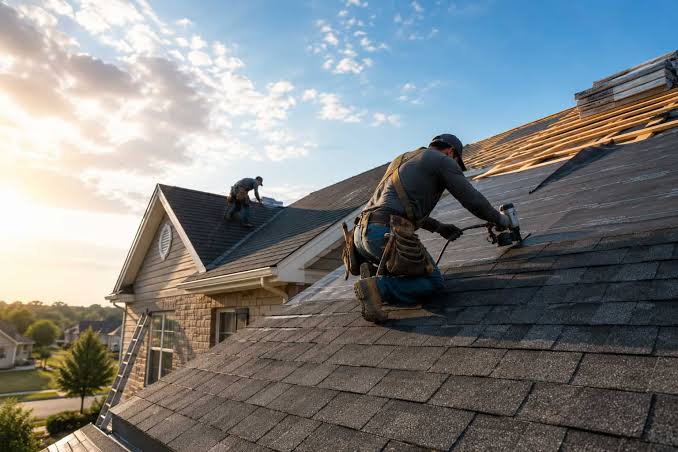
Replacing a roof isn’t quite as exciting as remodeling a kitchen or creating a beautiful backyard. It’s one of those home improvements that people often postpone until the signs of deterioration become impossible to ignore. A few missing shingles, recurring leaks, or an unexpected ceiling stain can quickly change your priorities.
However, a new roof offers more than protection against the weather. It can improve your home’s appearance, support indoor comfort, and give you greater confidence when the next storm arrives.
Well-planned residential roof replacements can address years of wear and tear while providing an opportunity to improve materials, ventilation, and other important roofing features.
Before committing to such a significant investment, though, it helps to understand your options and know what questions to ask.
How Do You Know When Your Roof Needs Replacing?
Roofs don’t usually deteriorate overnight. The process happens gradually, which makes it surprisingly easy to overlook developing problems.
Curling shingles, excessive granule loss, recurring leaks, and visible deterioration around roof edges may indicate that your roofing materials are approaching the end of their useful life.
Age is another consideration, although it shouldn’t be the only deciding factor. A well-maintained older roof might still provide dependable protection, while a poorly installed newer roof could develop premature problems.
Take a look around your home from ground level. Are there uneven sections, missing materials, or unusual discoloration?
Inside, pay attention to damp attic insulation and unexplained ceiling stains.
If something doesn’t look quite right, arrange a professional inspection. Understanding the extent of the damage can help you decide whether repairs or replacement would make better financial sense.
Getting a Clear Picture of Roofing Costs
One of the biggest concerns homeowners have about replacing a roof is the expense. And understandably so. Roofing projects involve materials, labor, equipment, and sometimes unexpected structural repairs.
Requesting free roof estimates from contractors who offer them can help you understand potential expenses and compare available roofing solutions before making a commitment.
However, don’t simply choose the lowest number on the page.
Look at material specifications, labor charges, removal of existing roofing, debris disposal, and warranty coverage. Ask whether additional charges could apply if damaged decking is discovered during the project.
A detailed estimate should explain what you’re receiving for your money.
Comparing several written proposals also gives you an opportunity to assess how different contractors communicate. Someone willing to answer questions clearly can make the entire experience feel much less intimidating.
Choosing Roofing Materials That Make Sense for Your Home
Roofing materials can significantly influence your property’s appearance, maintenance requirements, and long-term protection.
Asphalt shingles are widely used because they offer a variety of colors, styles, and price points. Metal roofing may appeal to homeowners looking for durability and particular weather-resistance characteristics.
Tile roofing provides a distinctive appearance, although its weight and structural requirements need careful evaluation.
Think about your local climate as well. A home exposed to frequent high winds or intense sunlight may benefit from different materials than one situated in a milder environment.
Maintenance expectations matter, too.
If you’d rather spend your weekends enjoying your home than maintaining it, discuss materials that suit that preference.
The best choice balances appearance, functionality, affordability, and realistic long-term performance.
What Actually Happens During a Roofing Project?
For homeowners who haven’t experienced a roof replacement before, the construction process can seem a little mysterious.
A professional new roof installation typically involves preparing the property, removing existing materials when required, inspecting the underlying decking, installing appropriate protective layers, and fitting the selected roofing materials.
Flashing, ventilation components, and vulnerable roof connections also require careful attention.
Unexpected damage may occasionally become apparent once older materials have been removed. This is why discussing potential additional expenses beforehand is worthwhile.
Depending on weather conditions, roof size, and project complexity, installation timelines can vary.
Ask your contractor what to expect regarding noise, property access, and cleanup.
Knowing how the project will unfold can help you prepare without unnecessary disruption to your household routine.
Don’t Overlook Attic Ventilation
While choosing shingle colors might be enjoyable, some of the most important roofing features are barely visible.
Attic ventilation, for example, can influence heat and moisture management within the roof assembly.
An appropriately designed ventilation system helps manage airflow, while suitable insulation supports indoor temperature control.
Poorly managed moisture may contribute to condensation and deterioration of certain building materials.
When discussing roofing improvements, ask whether your existing ventilation arrangement needs attention.
Replacing surface materials without addressing underlying problems could mean missing an opportunity to improve the roof’s overall performance.
It’s worth getting these details right while the work is already underway.
Preparing Your Household for Installation Day
Roofing work can be noisy and temporarily disruptive. A little preparation makes things easier.
Move vehicles away from the immediate work area, relocate delicate outdoor furniture, and discuss arrangements for protecting landscaping.
Children and pets should remain away from construction zones.
You might also want to remove particularly fragile decorations from interior walls, as construction activity can occasionally cause noticeable vibrations.
Confirm access requirements and cleanup expectations with your contractor before work begins.
These small preparations can make a considerable difference during an otherwise busy few days.
A Long-Term Investment in Your Home’s Protection
A dependable roof isn’t something you’ll admire every morning, but you’ll certainly appreciate it during heavy rain and windy nights.
Take your time comparing contractors, selecting suitable materials, and understanding installation requirements.
Once the project is complete, maintain sensible inspection habits and address developing concerns promptly.
A thoughtfully planned roofing project should provide lasting practical value, not simply a fresh appearance.
After all, there’s a special kind of comfort in knowing that the people and belongings you care about have dependable protection overhead.